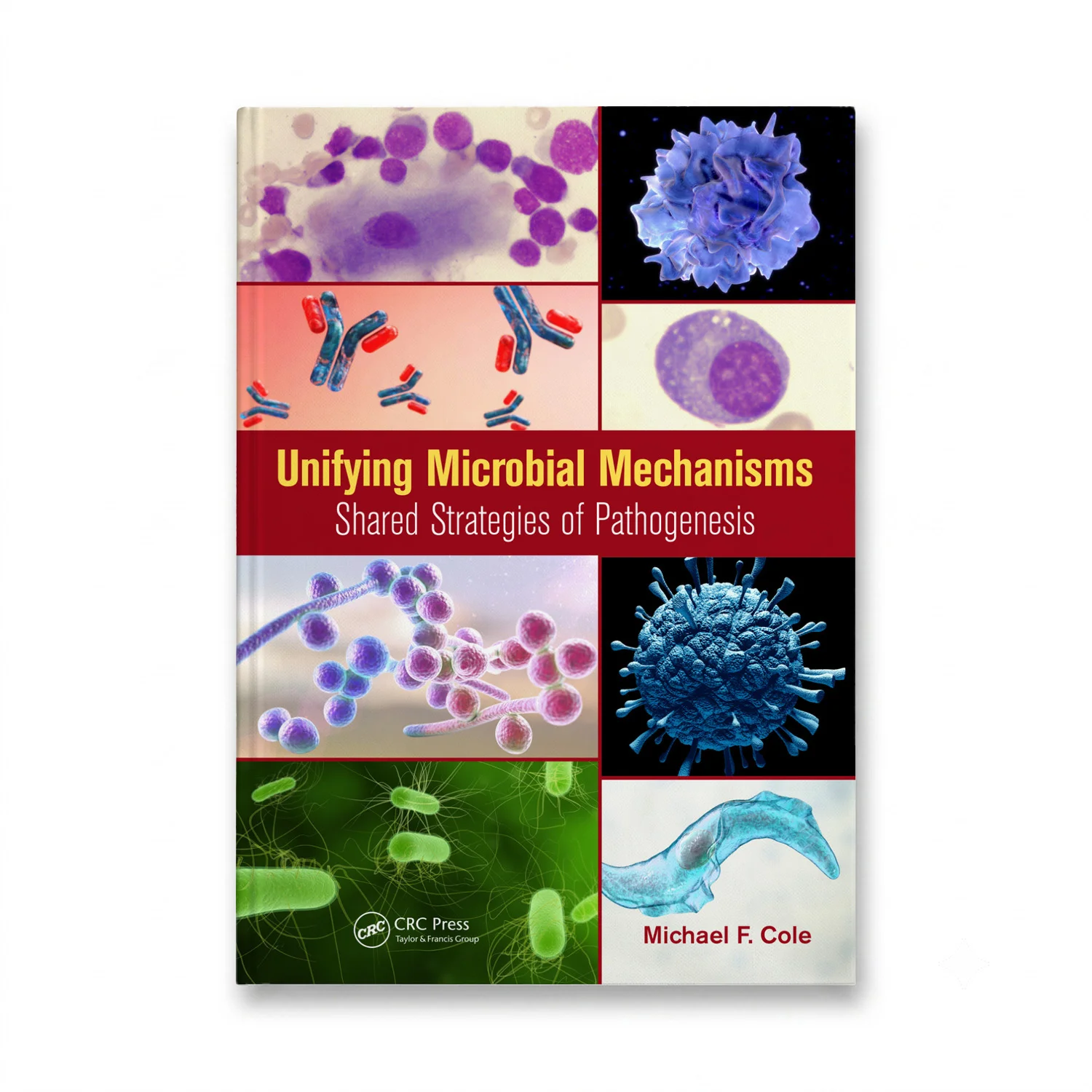
Unifying Microbial Mechanisms: Shared Strategies of Pathogenesis explores the intricate strategies employed by microbes—bacteria, viruses, protozoa, and multicellular parasites—to cause infectious diseases in humans. The book delves into the mechanisms behind microbial pathogenesis, highlighting shared strategies among different microorganisms that enable them to infect hosts effectively. Given the escalating concern over antibiotic resistance, which has led to previously manageable bacterial infections becoming a significant public health threat, this volume offers critical insights. It also addresses the limited availability of effective antiviral treatments and the ongoing threats posed by viral outbreaks like bird flu and Ebola. Additionally, the book discusses the persistent burden of parasitic diseases such as malaria in developing regions and considers how climate change might impact their spread into more developed areas. With research programs and university courses dedicated to this field, Unifying Microbial Mechanisms serves as a valuable resource for students, researchers, and healthcare professionals seeking to understand and combat these emerging challenges.

Get it before class starts
Semester is close – start reading tonight.
Right edition guaranteed
Wrong edition or ISBN? Free swap.
Help any day, any hour
File will not open? We fix it or refund you.
Buy once, keep it
No subscription, no app, no expiry date.
