
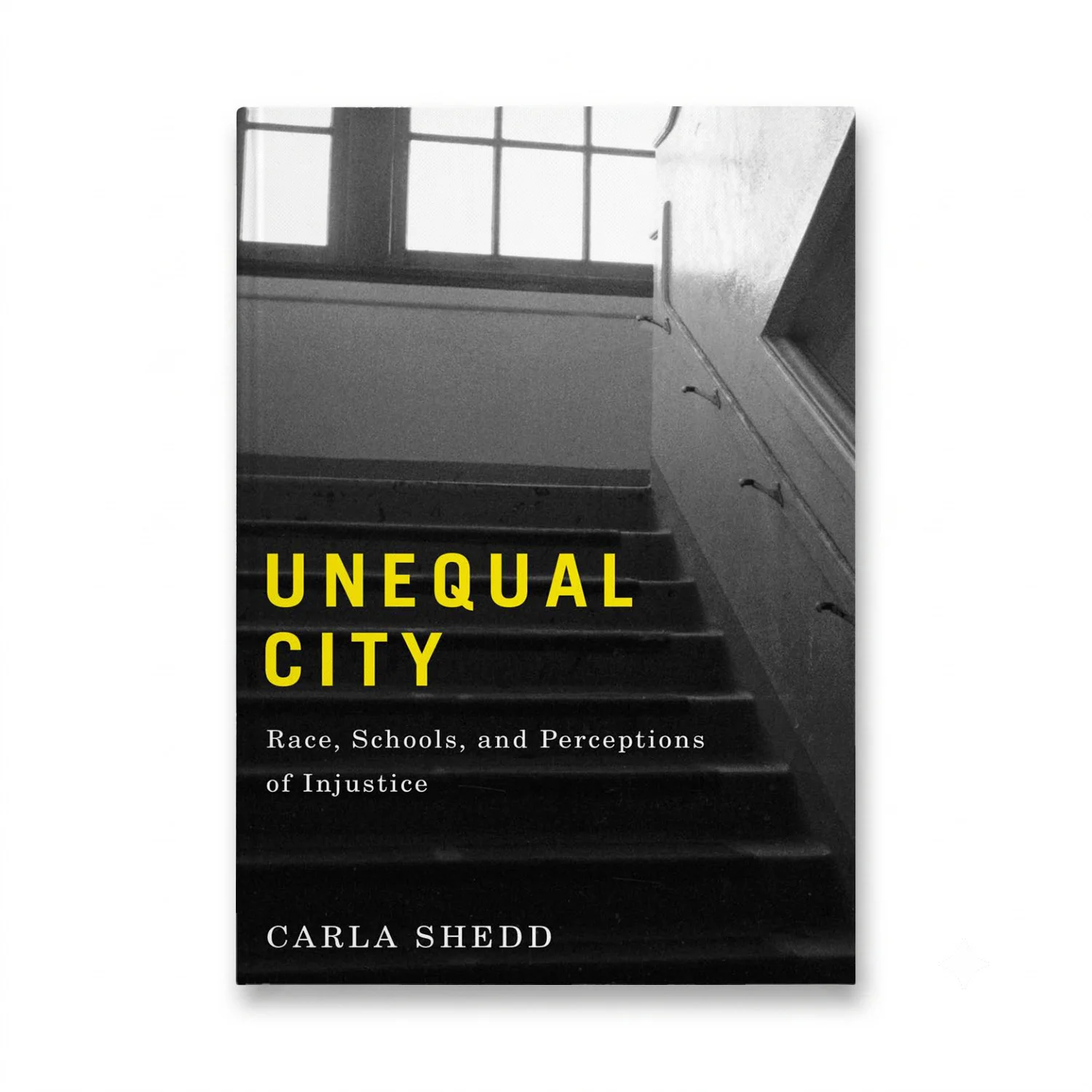

Unequal City: Race, Schools, and Perceptions of Injustice delves into the complex challenges faced by adolescents in Chicago, a city grappling with long-standing issues of racial residential segregation, poverty, and class stratification. Sociologist Carla Shedd explores how these factors intersect to shape the lives of vulnerable residents through a detailed examination of four public high schools with diverse student populations. Drawing on extensive data and in-depth interviews with Chicago youth, Shedd highlights the obstacles faced by low-income African American students compared to their more affluent white peers. The book reveals the daily challenges these teens encounter as they travel long distances across class, race, and gang lines to attend school.
Shedd’s analysis uncovers a critical “perception of injustice,” where disadvantaged teens recognize the restrictions on their economic and educational opportunities due to their social standing. She also examines how encounters with law enforcement during travel and at school contribute to adolescents’ distrust of authority and feelings of powerlessness, exacerbated by practices like metal detectors, surveillance cameras, and pat-downs in certain schools.
The racial composition of the student body plays a significant role in shaping students’ perceptions of injustice. Shedd demonstrates that more diverse schools are better equipped to recognize discriminatory treatment, while highly segregated and policed communities leave African American and Hispanic youth less aware of their individual and group disadvantages.
By shedding light on these issues, Unequal City offers valuable insights into the intersection of race, place, and opportunity, highlighting the need for equitable educational environments to address systemic inequalities faced by vulnerable adolescents in Chicago.