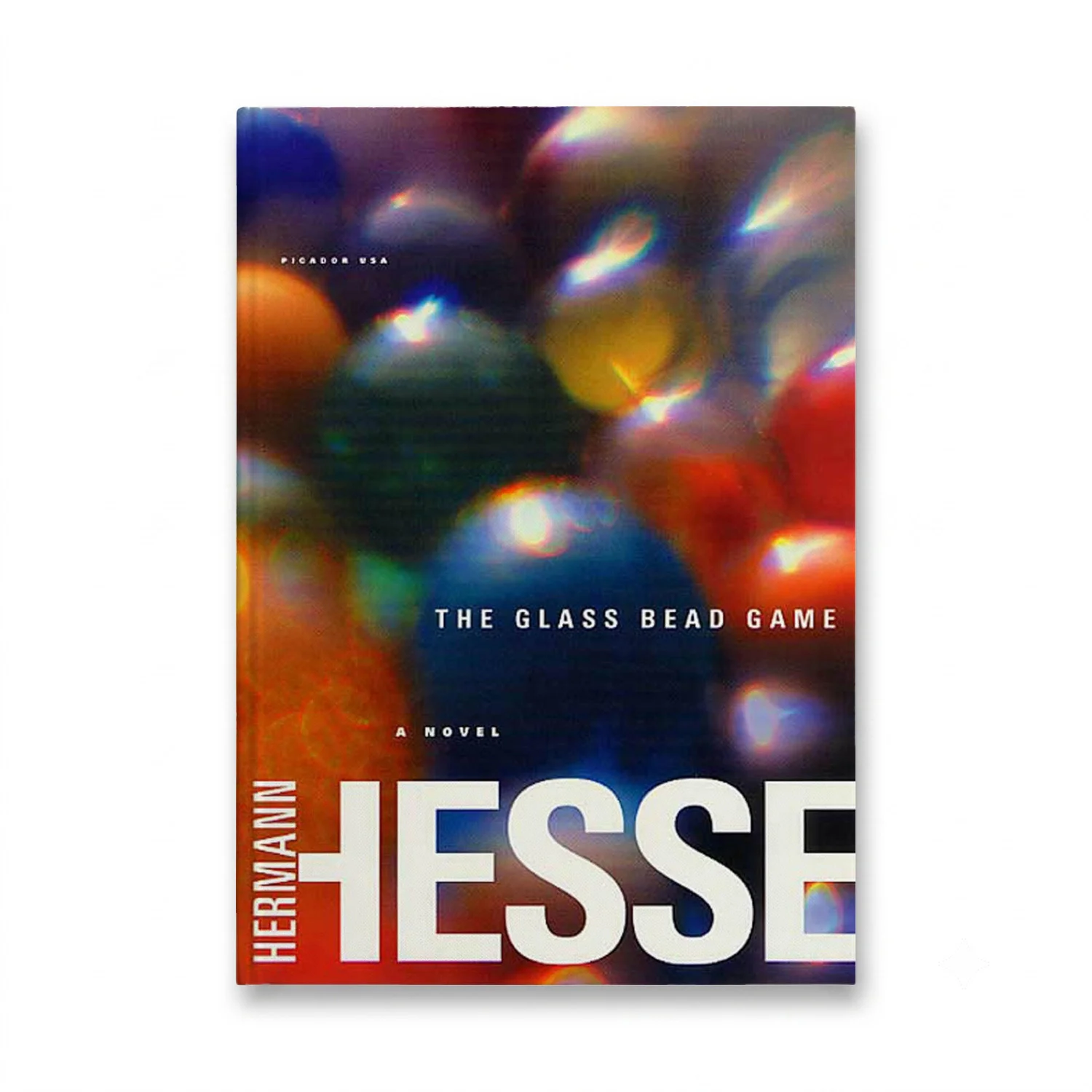
The The Glass Bead Game These individuals, carefully selected from childhood and raised in elite schools, embody a life dedicated to intellectual perfection. Among them, Joseph Knecht, the Master of the Glass Bead Game, stands as the epitome of detachment, serenity, and aesthetic vision, holding the most exalted office in Castalia. However, Hesse poses profound questions: can man truly live apart from the basic human needs of hunger, family, children, and women? In a perfect world where passions are subdued by meditation, academic discipline prevails, is such isolation justified, or does it hinder one’s personal perfection and social responsibility? This novel is not only a testament to Hesse’s literary genius but also a significant contribution to contemporary philosophic literature, offering a powerful vision of the inner unity between cultural ideals and individual pursuit. Spanning 558 pages, it invites readers to explore the depths of human intellect, emotion, and society.

Get it before class starts
Semester is close – start reading tonight.
Right edition guaranteed
Wrong edition or ISBN? Free swap.
Help any day, any hour
File will not open? We fix it or refund you.
Buy once, keep it
No subscription, no app, no expiry date.
