
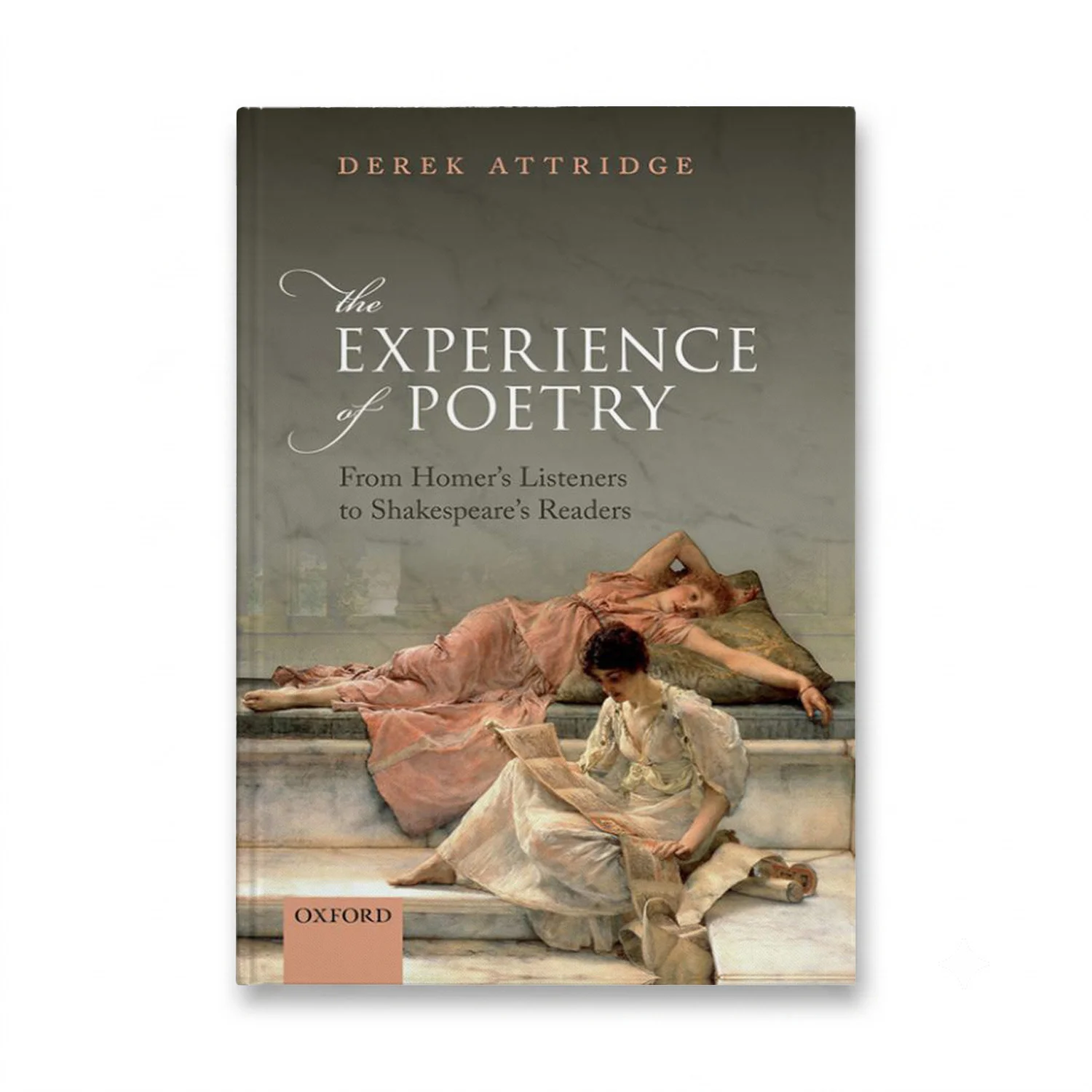

The Experience of Poetry: From Homer’s Listeners to Shakespeare’s Readers explores how the experience of poetry—from the composition of the Homeric epics to the publication of Ben Jonson’s Works and the death of Shakespeare in 1616—was continuously available across two-and-a-half millennia. The book delves into the cultural practice of poetry, examining the pleasure derived from the crafting of language into memorable and moving rhythmic forms during various periods including Ancient Greece and Rome, Europe during Late Antiquity and the Middle Ages, and Britain during the Renaissance.
Beginning with the evidence for the performance of the Iliad and Odyssey and of ancient Greek lyric poetry, the book then explores the impact of writing on Alexandrian verse. It further discusses the performances of poetry in Ancient Rome and examines private and public venues for poetic experience in Late Antiquity. Moving on to medieval Europe, it investigates oral traditions that spread across the continent in vernacular languages, the role of manuscript transmission, and the transition from roll to codex and from papyrus to parchment.
The final section focuses on the English Renaissance, from Henry VIII’s court to late Elizabethan anthologies. It considers topics such as the importance of the printed page, the significance of manuscript circulation, the performance of poetry in pageants and progresses, and the appearance of poets on the Elizabethan stage. By tracking both continuity and change across these centuries, the book sheds new light on the role and importance of poetry in Western culture.
Discover how poetry has shaped our cultural landscape through time with The Experience of Poetry: From Homer’s Listeners to Shakespeare’s Readers.