
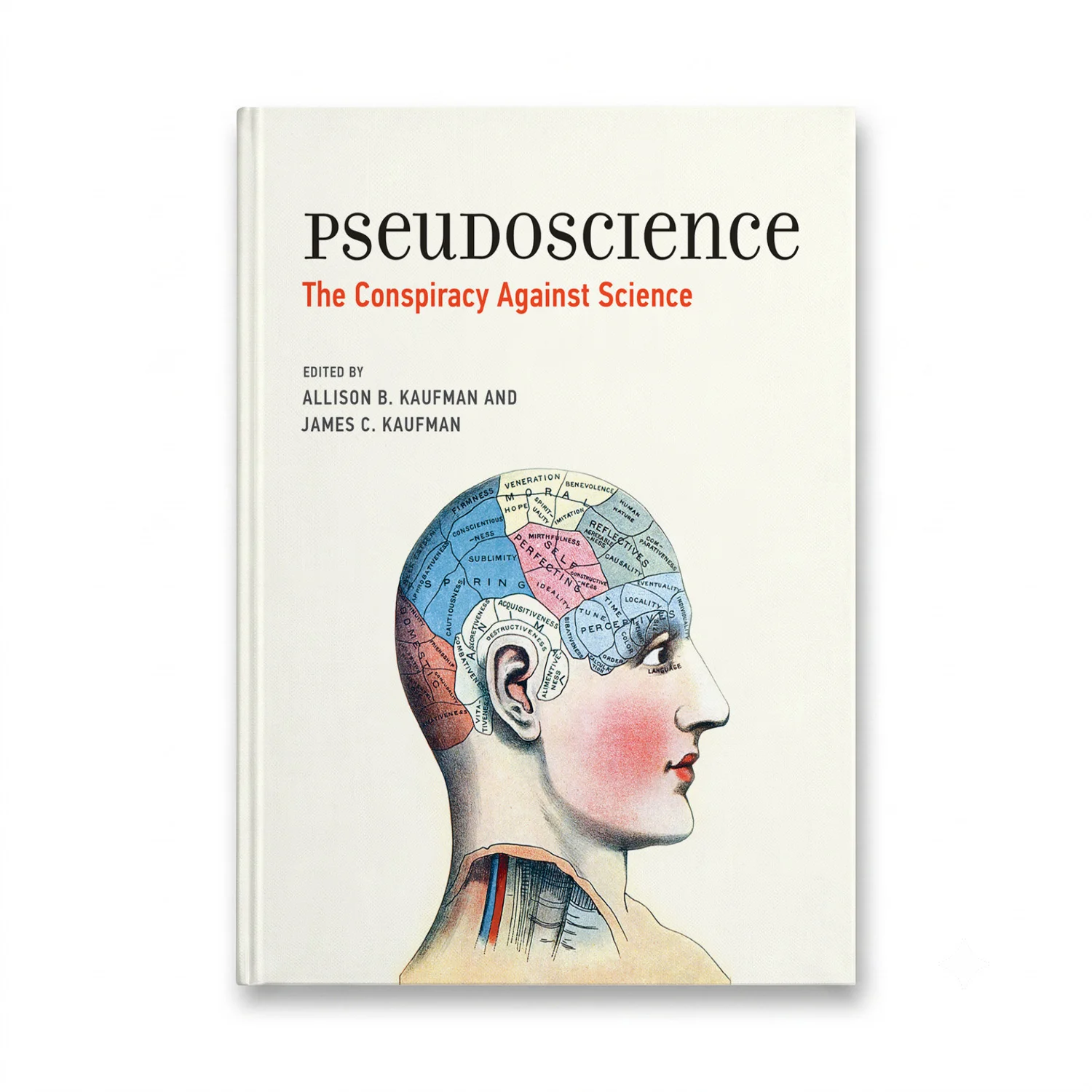

Pseudoscience: The Conspiracy Against Science
Editor: Allison B. Kaufman
Publisher: MIT Press
Publication Date: March 12, 2019
Print Length: 536 pages
ISBN-13: 978-0262537049
This book offers a comprehensive exploration of pseudoscience in the contemporary world. It delves into how to recognize and combat scientific misinformation, particularly in an era characterized by fake news and post-truth politics. Through case studies, analysis, and personal accounts from diverse contributors, it examines the prevalence of pseudoscientific beliefs and practices, their cognitive and social roots, and the impact on public health and policy.
Contributors include leading experts such as David Ball, Paul Joseph Barnett, Jeffrey Beall, Mark Benisz, Fernando Blanco, Ron Dumont, Stacy Ellenberg, Kevin M. Folta, Christopher French, Ashwin Gautam, Dennis M. Gorman, David H. Gorski, David K. Hecht, Britt Marie Hermes, Clyde F. Herreid, Jonathan Howard, Seth C. Kalichman, Leif Edward Ottesen Kennair, Arnold Kozak, Scott O. Lilienfeld, Emilio Lobato, Steven Lynn, Adam Marcus, Helena Matute, Ivan Oransky, Chad Orzel, Dorit Reiss, Ellen Beate Hansen Sandseter, Kavin Senapathy, Dean Keith Simonton, Indre Viskontas, and John O. Willis.
Together, they explore the basics of pseudoscience, including issues of cognitive bias; the costs of pseudoscience through examples such as naturopathy and logical fallacies in the anti-vaccination movement; perceptions of scientific soundness; the mainstream presence of “integrative medicine,” hypnosis, and parapsychology; and the use of case studies and new media in science advocacy.
Through this multidisciplinary approach, readers gain valuable insights into how to navigate a complex landscape where misinformation can spread rapidly. The book serves as both an educational resource for identifying pseudoscience and a tool for promoting evidence-based practices in various fields.