
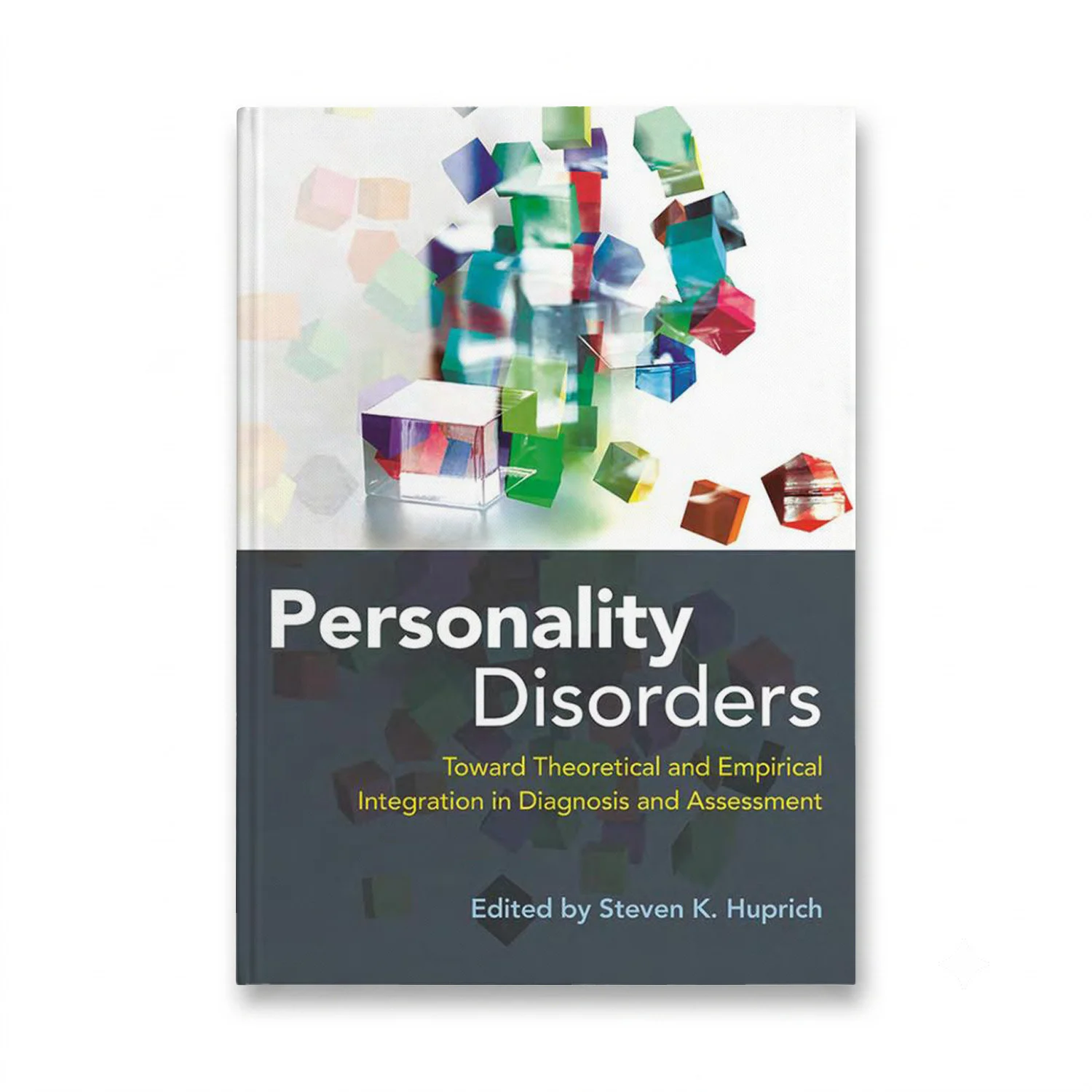

Personality Disorders: Toward Theoretical and Empirical Integration in Diagnosis and Assessment is a groundbreaking work that offers a comprehensive examination of personality disorders. Authored by Steven K. Huprich (Editor), this first edition, published by the American Psychological Association, delves into both conceptual and theoretical concerns as well as practical issues faced by clinicians assessing these conditions.
The book explores how personality disorders are understood and diagnosed in clinical practice. Despite over a century of scientific inquiry, there remains significant debate about their classification, even as evidenced by controversies surrounding proposed changes to the DSM-5. Contributors, including some of the world’s leading clinical and personality psychologists, guide readers through current knowledge on personality disorders.
Discussed are the advantages and challenges associated with categorical and dimensional approaches to diagnosing personality pathology as outlined in standard diagnostic manuals. The “hybrid” model described in Section III of DSM-5 is also addressed. Recent advancements in statistical, methodological, and biogenetic research techniques are applied to studying these disorders, emphasizing both clinical and empirical methods for assessment and diagnosis.
Theorists present how psychodynamic, attachment, interpersonal, evolutionary, and cognitive processing approaches offer surprisingly similar models for conceptualizing and treating personality disorders. This book is essential reading for professionals in psychology, psychiatry, and related fields seeking to deepen their understanding of these complex conditions.