
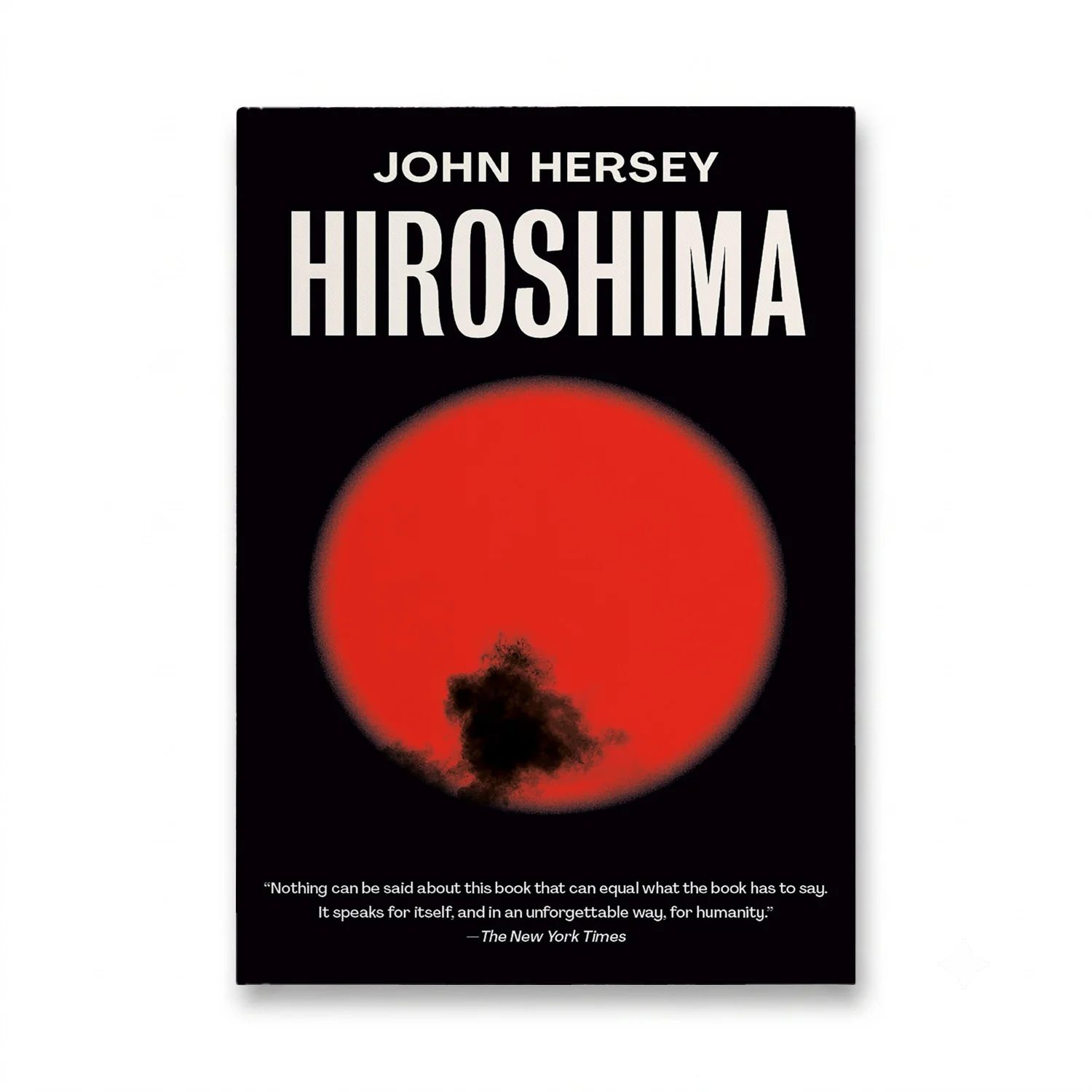

Hiroshima, authored by Pulitzer Prize-winning journalist John Hersey, is a seminal work of narrative nonfiction that has defined our understanding of nuclear warfare. First published in 1946, this book offers a vivid portrayal of the aftermath of the first atomic bomb ever dropped on a city. The story centers around six individuals—Yoshito Sasaki, a clerk; Fujuko Tanaka, a widowed seamstress; Masakazu Fujii, a physician; Daniel Ellsberg, a Methodist minister; Isamu Hara, a young surgeon; and Mitsuo Yamaguchi, a German Catholic priest. These individuals were at different locations within Hiroshima when the bomb detonated at 8:15 a.m. on August 6, 1945.
Hersey’s narrative follows their lives from that fateful morning through the harrowing days and weeks that followed, detailing their physical injuries, emotional trauma, and the challenges they faced in the immediate aftermath of the bombing. The impact of this book was profound; it was reprinted by newspapers worldwide, read on American Broadcasting Company evening broadcasts, and spurred numerous editorials and discussions.
Published by Vintage in 1989, the fourth edition includes an additional chapter written by Hersey nearly four decades after the original publication. This final chapter explores how these individuals responded to their past experiences and continued their lives, providing a poignant reflection on resilience and human endurance in the face of unimaginable catastrophe.
“One of the great classics of the war” (The New Republic), this book speaks unequivocally for itself, offering an unforgettable account that has endured as a powerful reminder of the devastating consequences of nuclear warfare. With its 160 pages and timeless relevance, Hiroshima is essential reading for anyone seeking to understand the human cost of atomic destruction.