
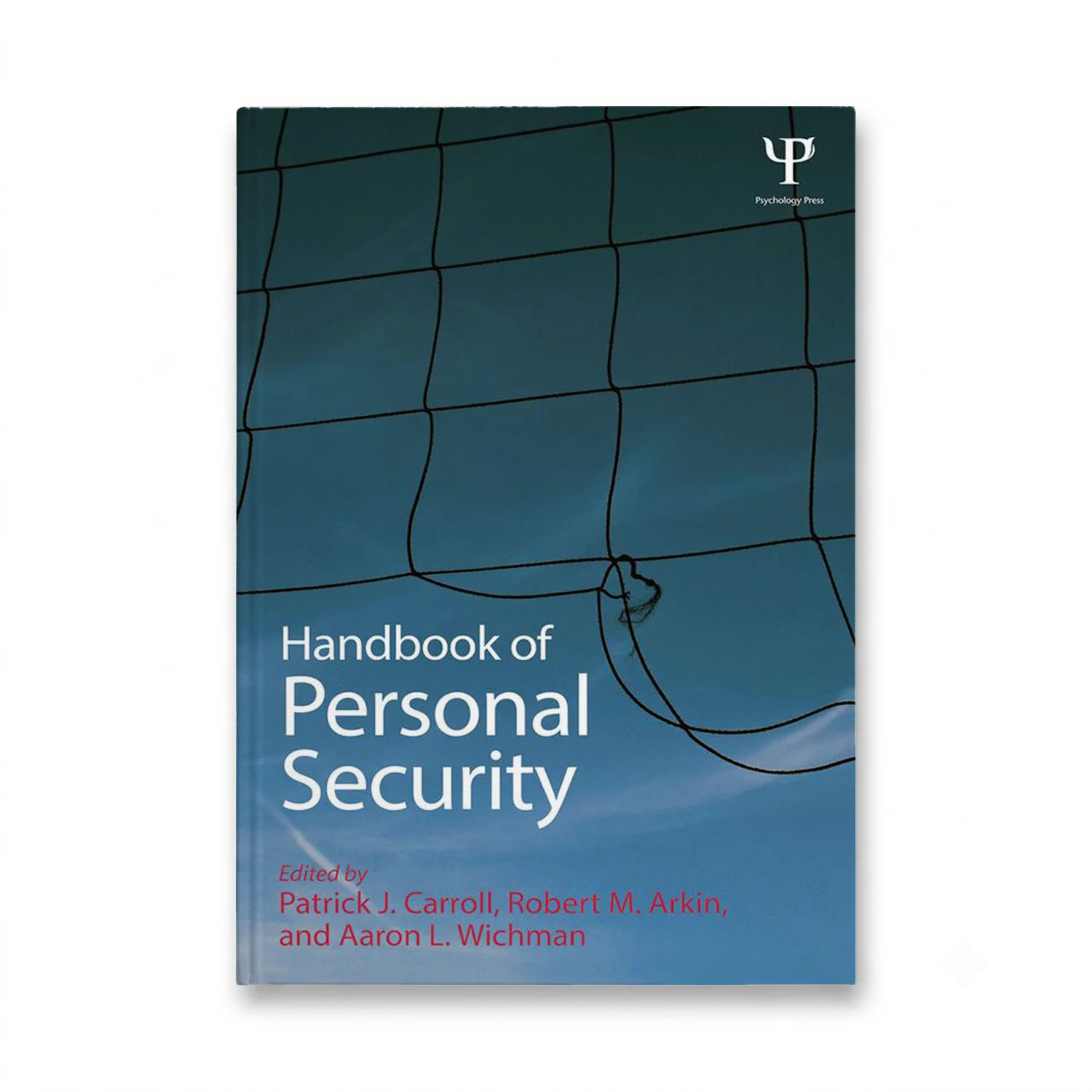

Handbook of Personal Security delves into the critical issue of psychological security in today’s increasingly unstable global environment. Edited by Patrick J. Carroll, this comprehensive resource explores how terror attacks, such as those on September 11, 2001, and financial crises have heightened personal and global insecurities. The book reflects these concerns across various domains including culture, politics, business, consumer behavior, and the arts.
Comprised of 380 pages, this handbook brings together the latest theories and research on cognitive, emotional, and behavioral responses to security threats. It broadens its focus from specific security issues to a wider range of factors influencing psychological security. The content is organized into four main sections: personal security in individual contexts, interpersonal contexts, cultural and health contexts, and interdisciplinary analyses.
Each chapter offers unique insights, contributing to a new and vibrant area of research aimed at understanding the elements that shape our sense of personal security. This work not only provides theoretical foundations but also practical applications for future theory, policy, and practice. Moreover, it highlights opportunities to integrate social and personality psychology with other scientific disciplines.
Published by Psychology Press on May 1, 2015, this handbook is a valuable resource for researchers, practitioners, and students interested in the complex field of personal security.