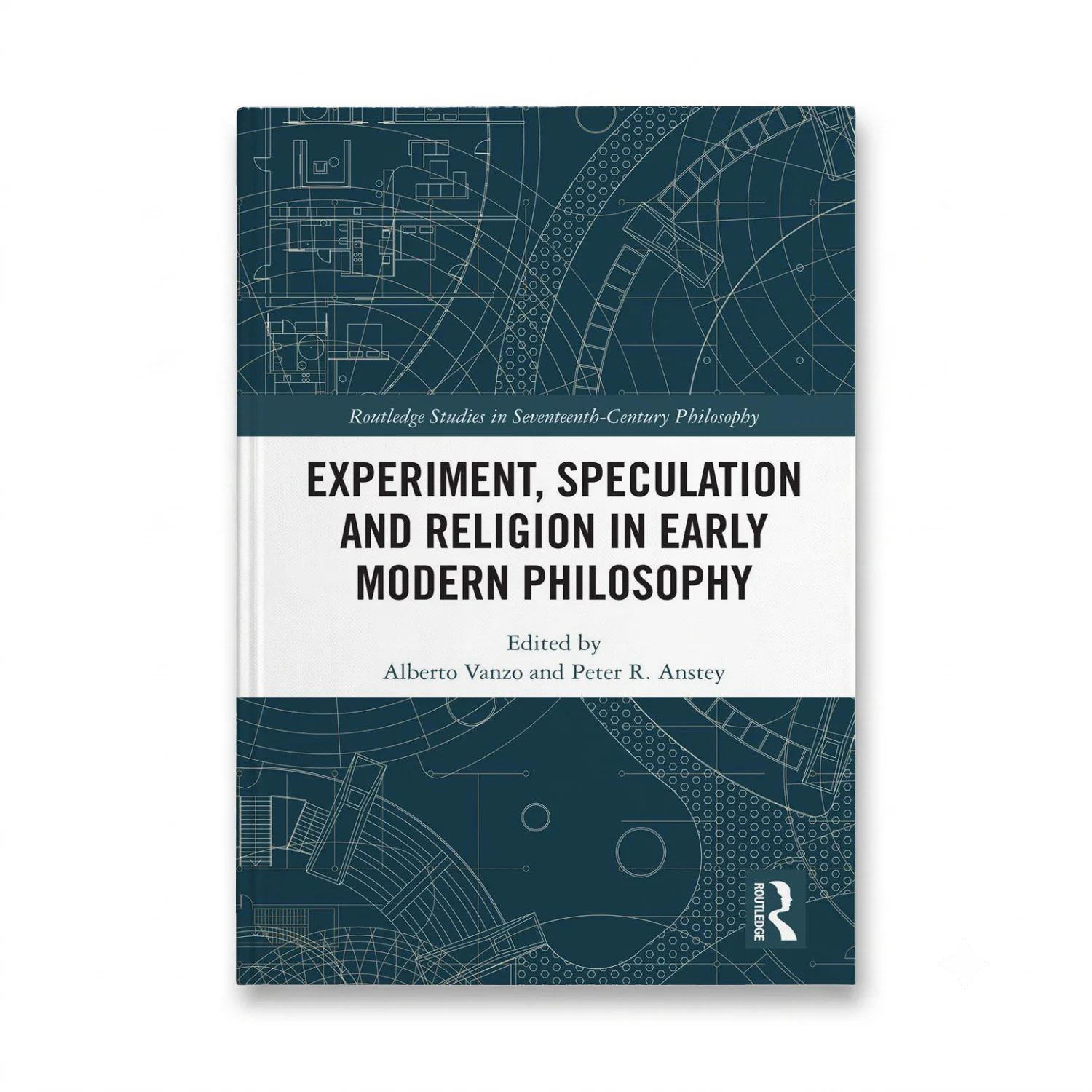
Experiment, Speculation and Religion in Early Modern Philosophy explores the complex interplay between experimental and speculative philosophies during the 17th century. This volume, edited by Alberto Vanzo, brings together ten scholars from various fields to delve into how these philosophical approaches were intertwined with religious beliefs in early modern Europe. The first six chapters examine individual philosophers such as Francis Bacon, Robert Boyle, Margaret Cavendish, Thomas Hobbes, John Locke, and Isaac Newton, focusing on their respective contributions to experimental and speculative philosophies. Two subsequent chapters investigate the relationship between experimental philosophy and religion, particularly touching on hypotheses and natural religion. A broader European perspective is provided in one chapter, which highlights the limited engagement with religious concerns among Italian natural philosophers of the era. The final chapter synthesizes these discussions to critically assess recent scholarly work on experimental philosophy. Through this multifaceted analysis, readers gain a deeper understanding of the intellectual landscape of early modern Europe.

Get it before class starts
Semester is close – start reading tonight.
Right edition guaranteed
Wrong edition or ISBN? Free swap.
Help any day, any hour
File will not open? We fix it or refund you.
Buy once, keep it
No subscription, no app, no expiry date.
