
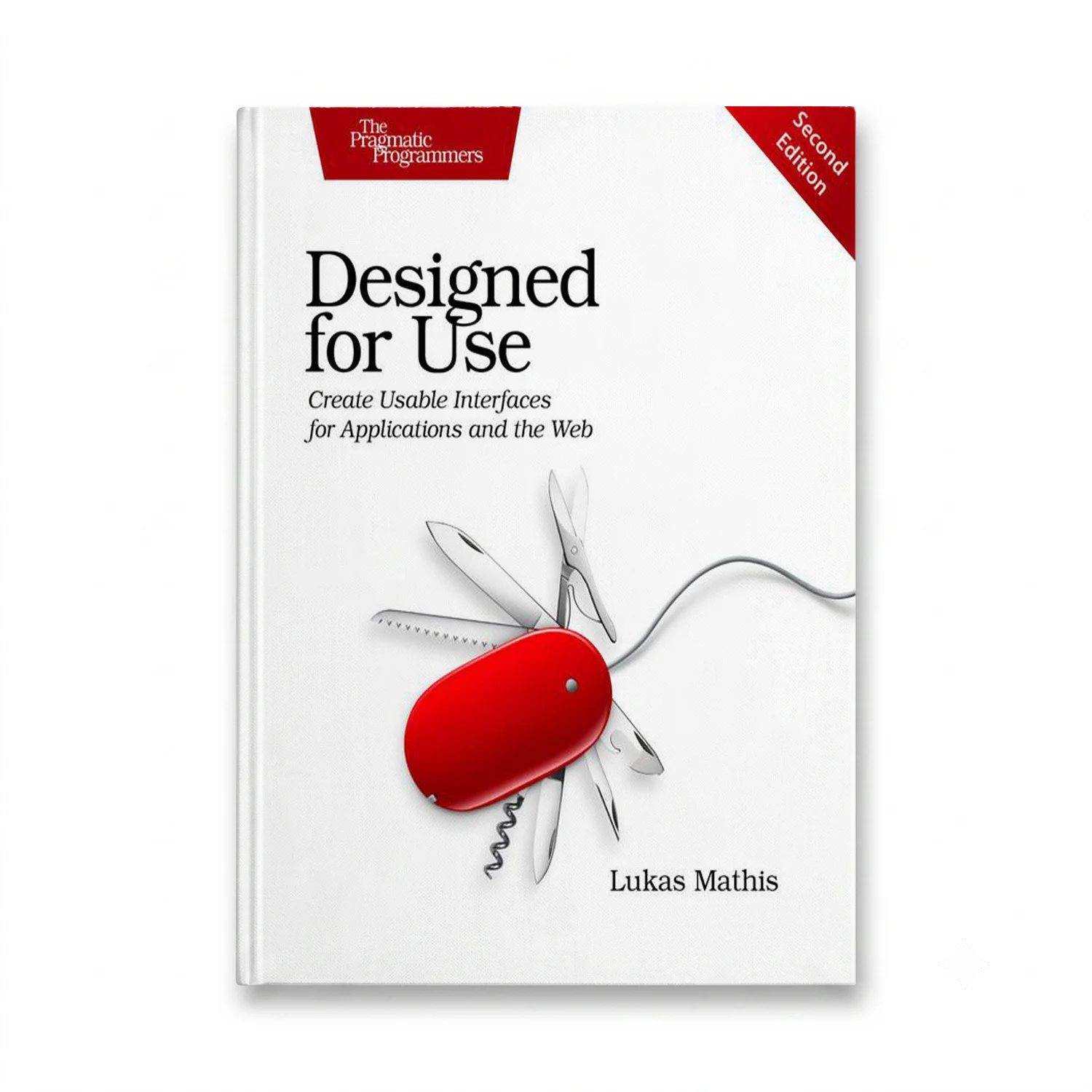

This book is designed for designers, developers, and product managers who face the challenge of ensuring applications and web interfaces work as users expect. The second edition has been updated and expanded with three new chapters, offering a comprehensive guide on creating usable interfaces. Interaction design—such as how apps function on phones or entering destinations in car GPS systems—is becoming increasingly critical. By making usability central to your design process, you can identify and fix bad software design, ensuring products not only meet user needs but exceed expectations.
Lukas Mathis weaves together hands-on techniques with fundamental concepts. Each technique chapter provides specific approaches for enhancing user-friendliness, including storyboarding, usability tests, and paper prototyping. Idea chapters delve into concept-based topics such as writing usable text, the realism of design elements, and when to incorporate animations. This new edition includes updated content on requirements gathering, how data structure designs influence user interfaces, and collaborative team design work.
Through copious illustrations and supporting psychological research, Mathis offers a deep dive into the essential stages of designing usable interfaces for applications and websites. He inspires readers to re-evaluate their approach to design, explaining what to prioritize and avoid in creating products that truly excite users.