
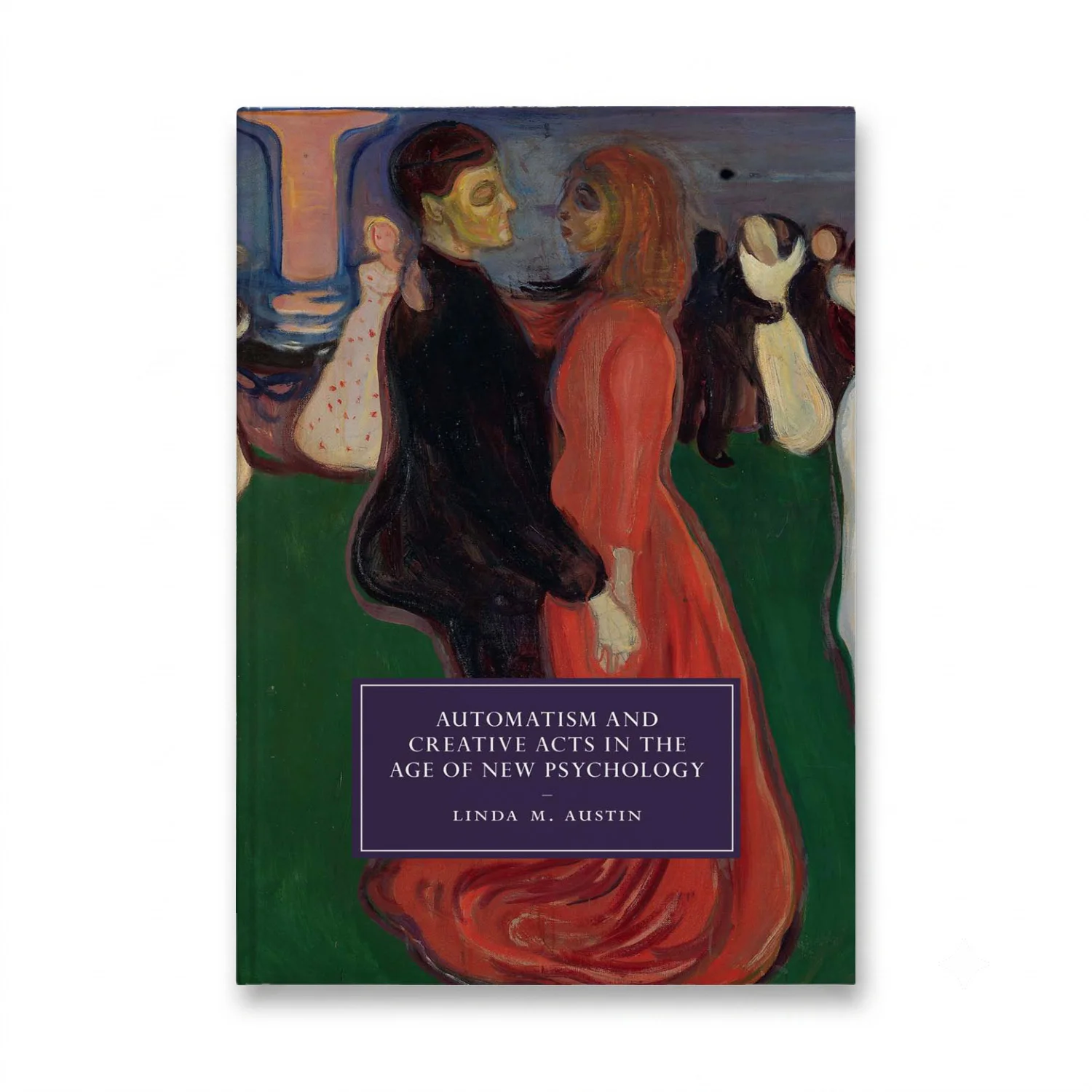

Automatism and Creative Acts in the Age of New Psychology delves into the re-examination of artistic creativity during the late 19th century, a period marked by the emergence of new psychological theories that challenged traditional views on human agency. Focusing on British and continental culture between 1870 and 1911, author Linda M. Austin explores how the concept of automatism intersected with various artistic practices, including ballet, art photography, literature, and professional writing.
Through an analysis of novels and travel essays, Austin uncovers the relationship between efforts to establish standards in artistic practice and broader challenges to human exceptionalism. She argues that each artistic discipline exemplifies a process where intended creation is intertwined with actions beyond mental control, reflecting the complex interplay between mind and body.
This unique study considers how late 19th-century literature and arts engaged with the scientific question of whether humans are automata, offering insights into the cultural shifts and creative responses that emerged in this transformative period. With a print length of 280 pages, this volume is an essential resource for scholars and students interested in 19th-century literature, psychology, and cultural studies.