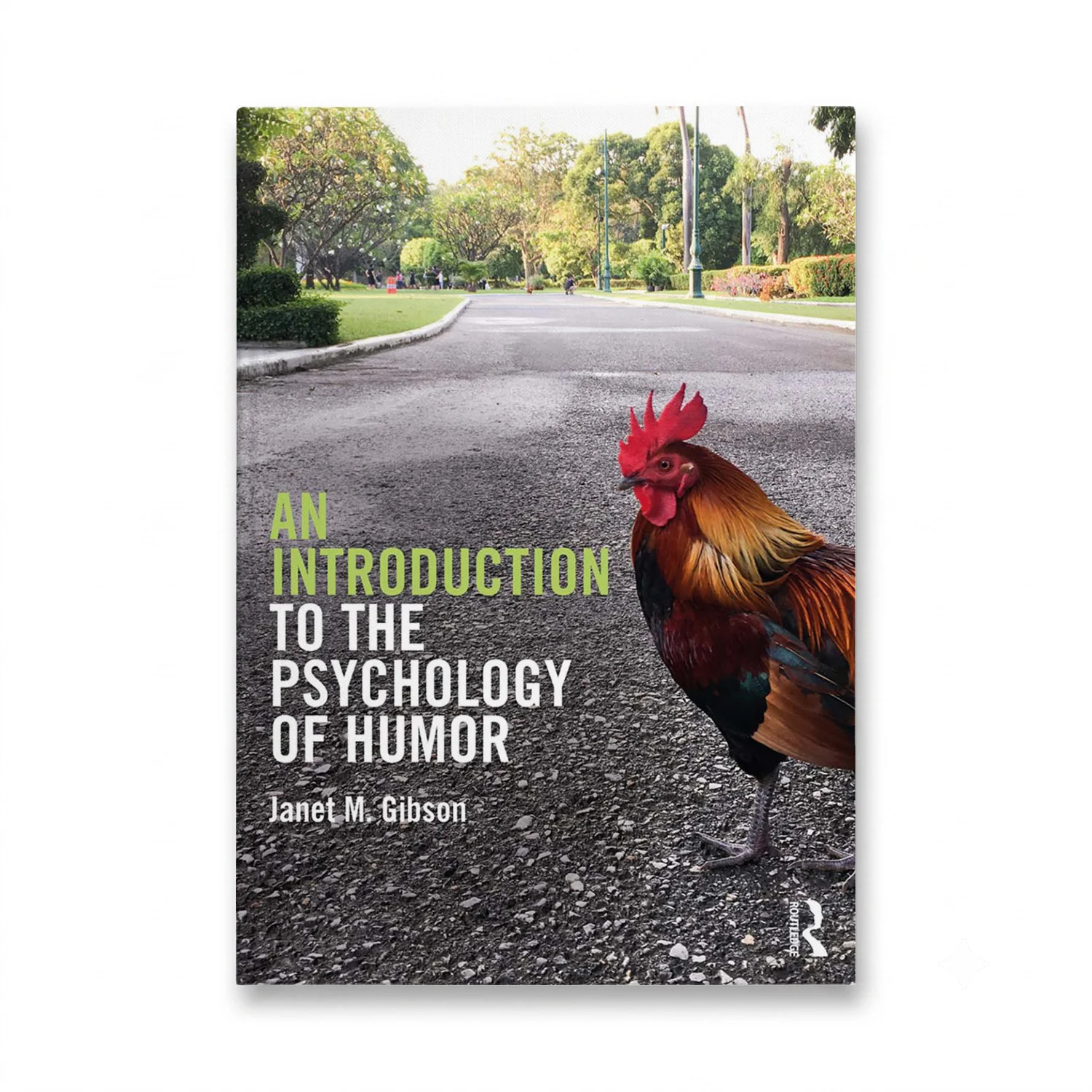
An Introduction to the Psychology of Humor provides a comprehensive and accessible overview of psychologists’ research on humor. Drawing on various psychological perspectives, from cognitive and biological to social and developmental, this book explores factors that affect our detection, comprehension, liking, and use of humor. Each chapter focuses on distinct fields of psychological research, covering topics such as the development of humor in children and older adults, its effectiveness in advertisements, cross-cultural psychology, and its functions in the workplace. Despite the challenges of defining and studying humor, which is a universal and often daily experience, the book addresses these issues with insightful theories and paradigms. Featuring learning objectives and classroom activities, this essential read is ideal for all students of humor.

Get it before class starts
Semester is close – start reading tonight.
Right edition guaranteed
Wrong edition or ISBN? Free swap.
Help any day, any hour
File will not open? We fix it or refund you.
Buy once, keep it
No subscription, no app, no expiry date.
