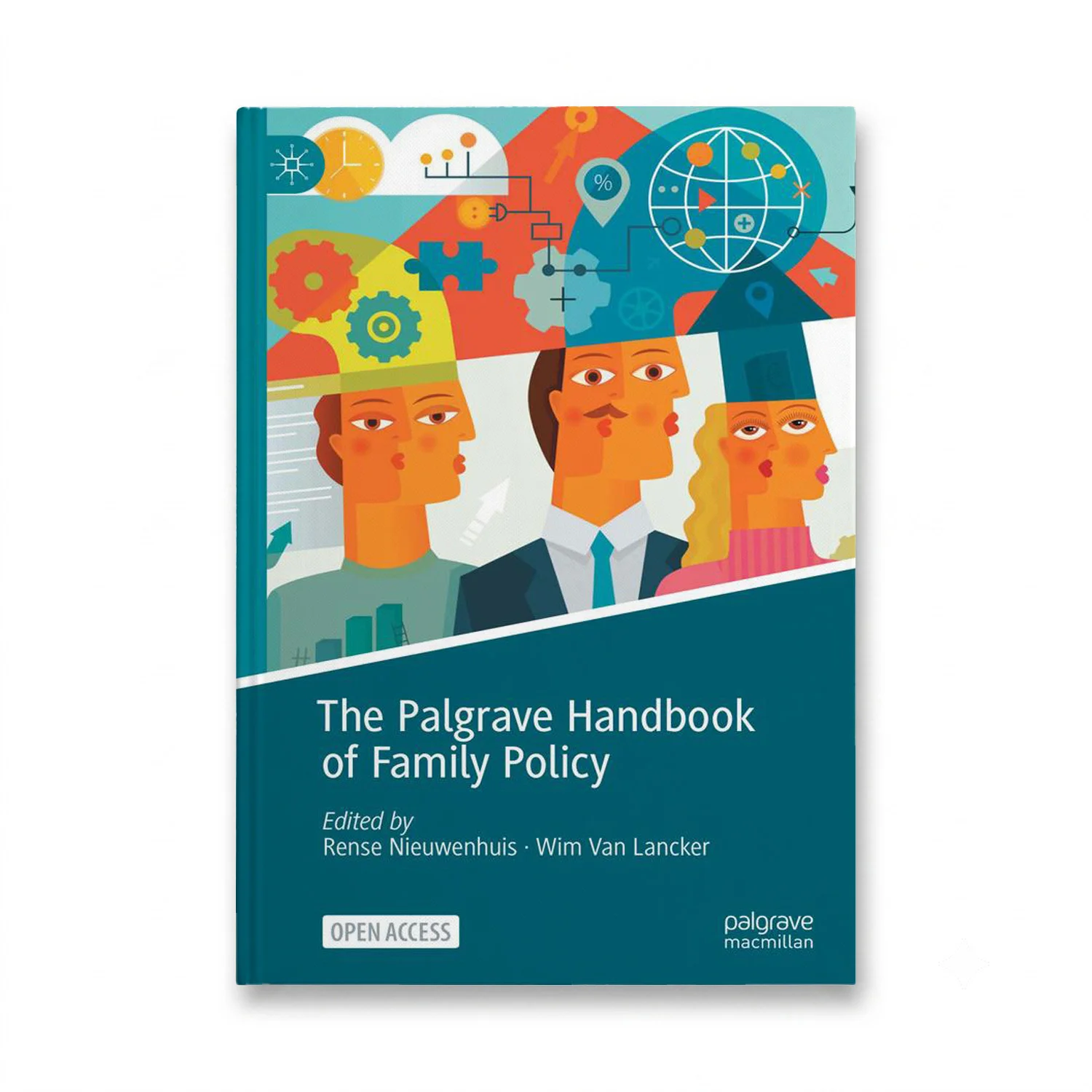
The Palgrave Handbook of Family Policy offers a comprehensive exploration of family policies across various levels of governance. Edited by Rense Nieuwenhuis, this open access handbook brings together a multidisciplinary group of expert scholars to examine the outcomes of family policies at different hierarchical stages—supra-national organizations, national states, sub-national or regional levels, and smaller organizations and employers. Each chapter scrutinizes specific policies like child income support, childcare services, parental leave, and care provision for frail elderly relatives, assessing their impact on child development, gender equality, fertility regulation, productivity, economic inequality, and more. The handbook adopts an intersectional approach that considers the roles of gender, class, and family diversity in shaping these policies. In conclusion, the editors outline a new research agenda addressing key challenges such as globalization, decentralization, austerity and marketization, inequality, evolving family dynamics, and the adaptation of welfare states to women’s empowered roles.

Get it before class starts
Semester is close – start reading tonight.
Right edition guaranteed
Wrong edition or ISBN? Free swap.
Help any day, any hour
File will not open? We fix it or refund you.
Buy once, keep it
No subscription, no app, no expiry date.
