
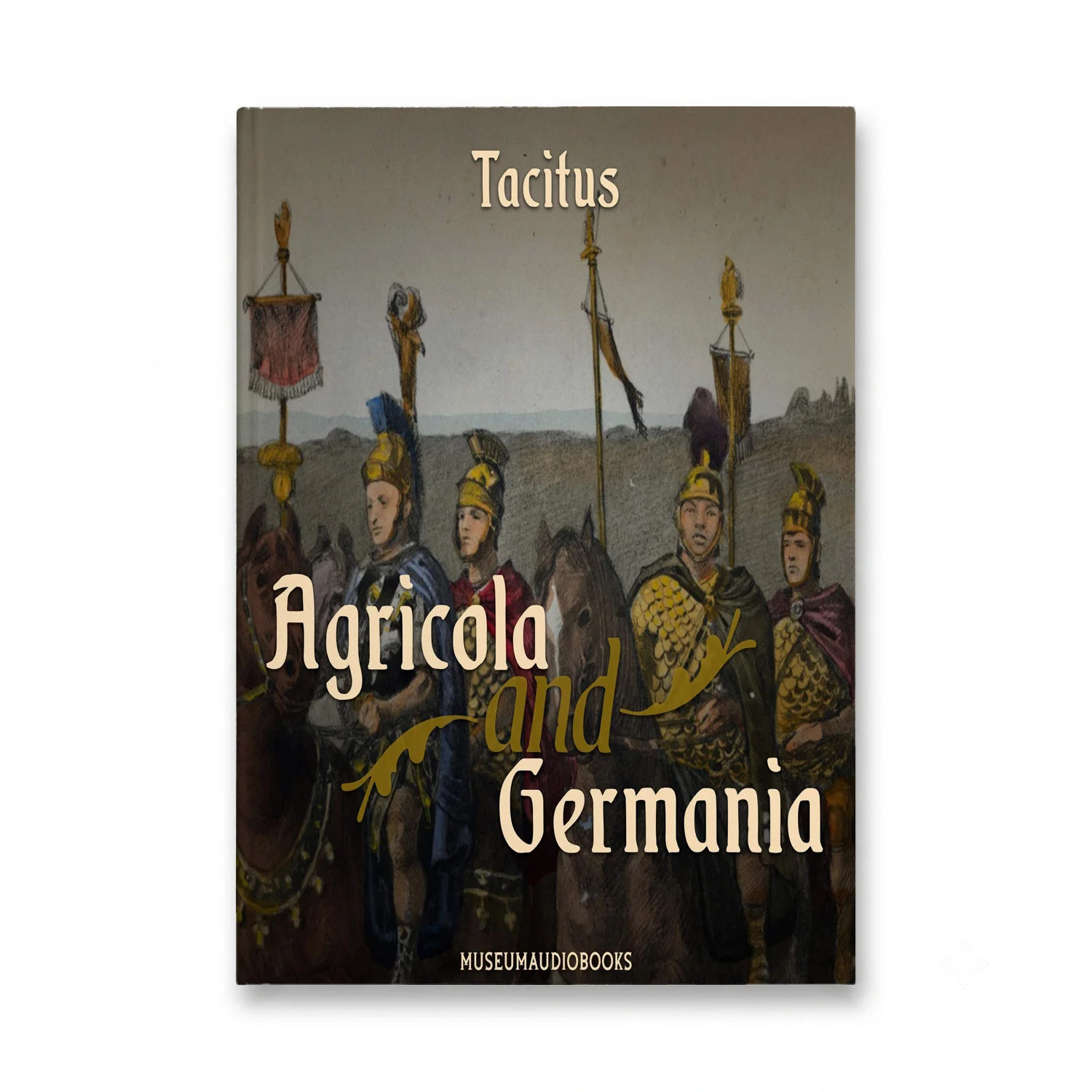

The Agricola and the Germania (Classics S.) by H. Tacitus, translated by Anthony R. Mattingly, offers a rich insight into Roman Britain and the German tribes through two essential works. The Agricola provides a biographical sketch of Julius Agricola, Tacitus’ father-in-law and governor of Roman Britain, while also serving as the earliest comprehensive account of Britain’s history. This concise yet detailed narrative delves into the geography, climate, and inhabitants of the land, detailing how Agricola’s military campaigns extended to Anglesey and even northern Scotland. Despite the turmoil caused by Boudicca’s revolt in 61 AD, Roman dominance was eventually consolidated under Agricola’s leadership.
The Germania, on the other hand, focuses on the German tribes, presenting a stark contrast between their virtues and the moral decay of Imperial Rome. Tacitus explores the customs, societies, and political structures of these warlike peoples, often drawing favorable comparisons to the perceived decadence of Roman society.