
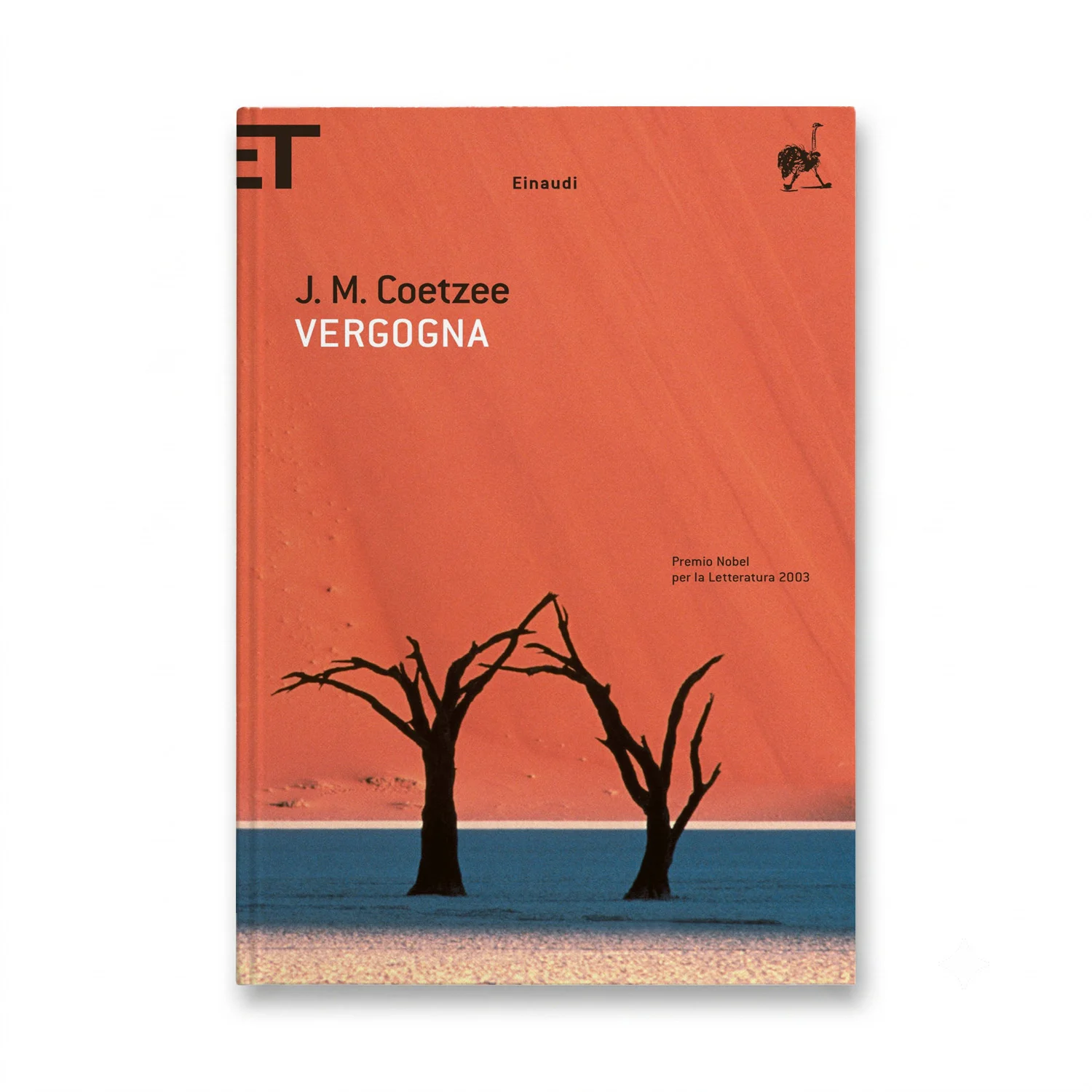

J.M. Coetzee’s “Vergogna,” published by Einaudi on January 25, 2005, delves into the complexities of life in post-apartheid South Africa through the lens of a middle-aged academic, David Lurie. Set against the backdrop of the Eastern Cape province, the novel explores themes of identity, change, and the challenges faced by individuals navigating a new era of societal transformation.
David, a fifty-two-year-old professor at the University of Cape Town, is forced to confront his own moral and ethical boundaries when he is accused of sexual misconduct. This incident leads to his dismissal from the university, forcing him to seek refuge with his estranged daughter, Lucy, on her farm in the rural Eastern Cape.
The narrative unfolds as David attempts to adapt to his new life, working alongside Lucy in the fields and at a local veterinary clinic. However, his presence and efforts are complicated by the tensions between different ethnic groups and cultural traditions that define their community. As David tries to reconcile with his daughter and understand her independent choices, including her acceptance of domestic violence, he is confronted with profound personal and social challenges.
“Vergogna” (which means “shame” in Italian) is a powerful examination of the moral ambiguities faced by individuals in a rapidly changing society. J.M. Coetzee’s stark prose captures the harsh realities of post-apartheid South Africa, earning him critical acclaim and cementing his status as one of the world’s foremost contemporary writers. The novel won the Booker Prize in 1999, recognizing its profound insight into human nature and societal transformation.