
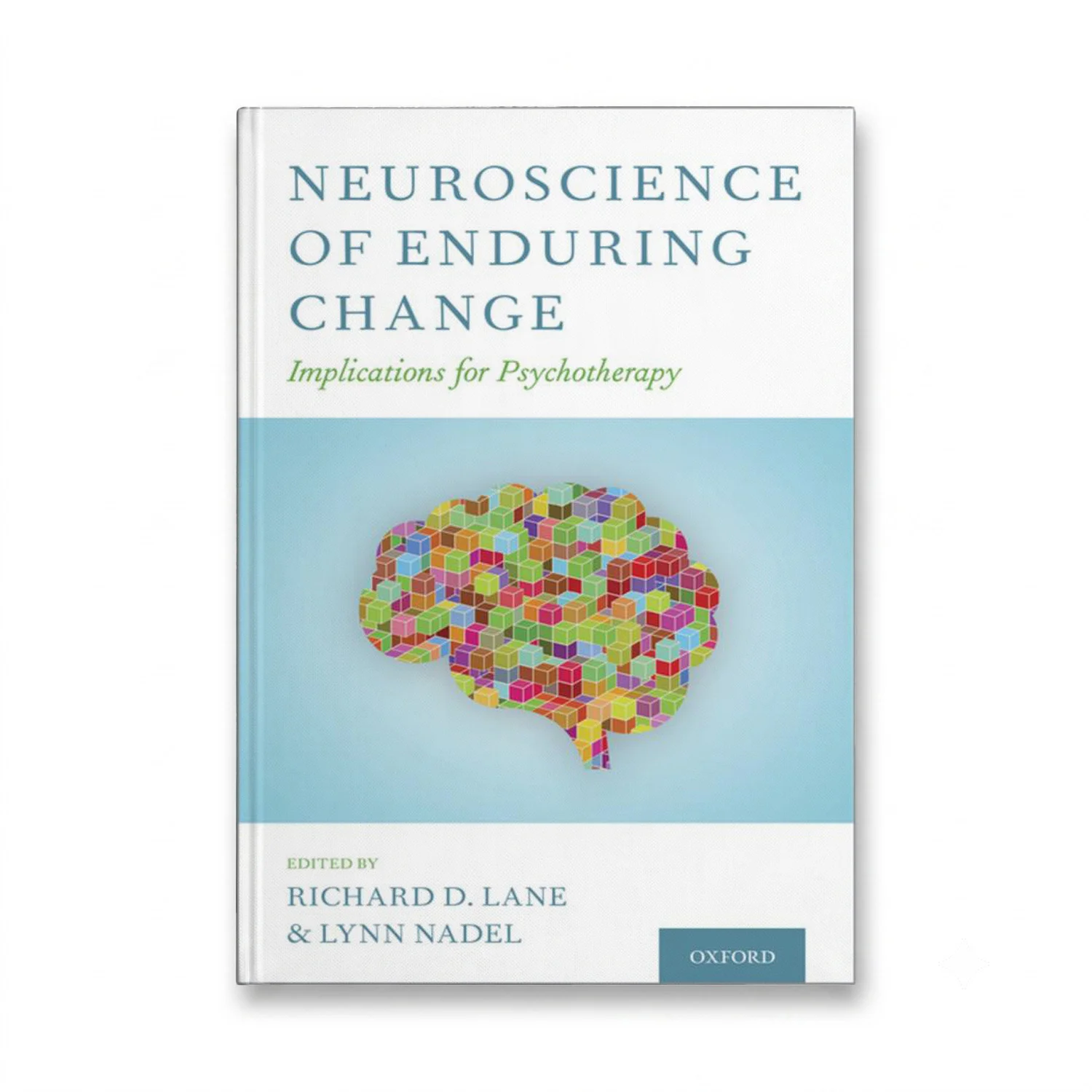

Neuroscience of Enduring Change: Implications for Psychotherapy delves into the core mechanisms that drive lasting therapeutic change, grounded in the premise that all effective psychotherapies achieve this by inducing corrective emotional experiences that modify problematic memories through reconsolidation. This groundbreaking work uniquely integrates basic neuroscience with clinical practice, offering a comprehensive exploration of how these processes occur at both theoretical and practical levels. Featuring contributions from leading experts across various fields, the book covers essential topics in both basic science and clinical research, providing readers with an unparalleled understanding of the neurological underpinnings of enduring change in psychotherapy.
Each chapter is meticulously crafted to bridge the gap between cutting-edge neuroscientific discoveries and their application in therapy. By synthesizing the latest neuroimaging evidence with advanced conceptual frameworks, it offers profound insights into how psychological and behavioral treatments can lead to lasting brain changes. Clinicians will find detailed discussions that enhance their understanding of fundamental mechanisms underlying their therapeutic approaches, encouraging reflection on potential improvements for optimizing enduring change outcomes. Researchers will benefit from authoritative overviews of current knowledge and a clear delineation of future research directions.
The book’s cross-disciplinary approach fosters a rich exchange between the domains of research and clinical practice, making it an invaluable resource for professionals seeking to deepen their knowledge and refine their therapeutic strategies in pursuit of lasting patient improvement.