
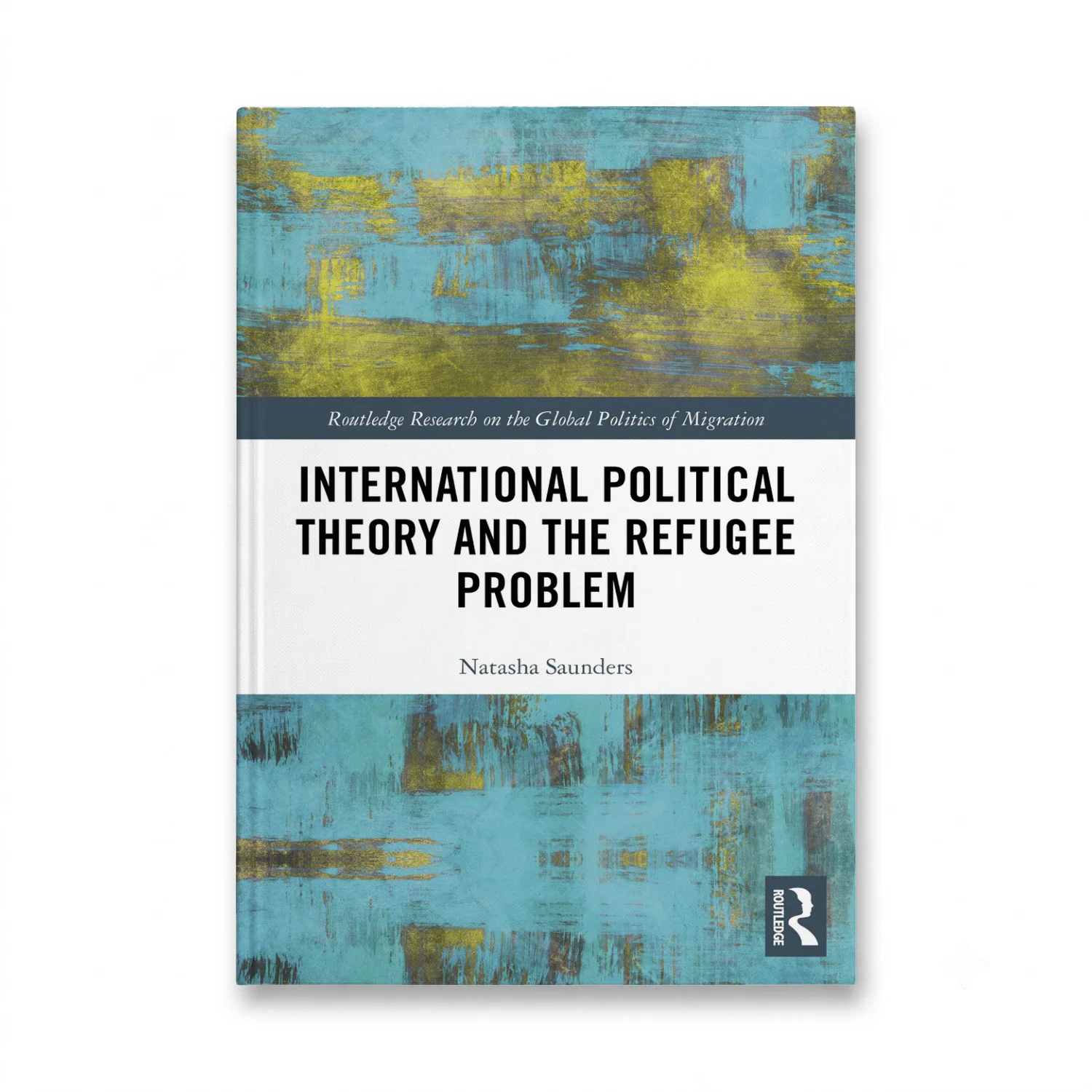

“International Political Theory and the Refugee Problem” by Natasha Saunders delves into the complexities surrounding the term “the refugee problem.” This 192-page book, published on November 24, 2017, by Routledge as part of their Research on the Global Politics of Migration series, challenges the conflation of two distinct issues: the problems faced by refugees and the problems they pose to host states. Through a critical examination of international political theory, Saunders employs the theoretical insights of Michel Foucault and Hannah Arendt to argue that understanding these different perspectives is essential for addressing the refugee issue effectively.
The book begins with an exploration of how solutions are shaped by the way we perceive problems. It argues that the current international refugee regime was primarily developed to address the “refugee (as) problem” rather than the individual problems faced by refugees themselves. Saunders uses this as a foundation to propose new, more inclusive approaches to the refugee issue.
By reframing the debate from the perspective of the refugee, rather than the state, the author opens up possibilities for rethinking traditional solutions. The book examines case studies such as refugee protests in Europe and the Sanctuary Movement in the UK, highlighting these sub-state and popular movements as potential creative solutions to a redefined problem.
“International Political Theory and the Refugee Problem” is not just an academic exploration but a call to action, urging policymakers and scholars alike to reconsider their approaches and engage with the realities faced by refugees. This work is essential reading for anyone interested in global politics, migration studies, or international relations.