
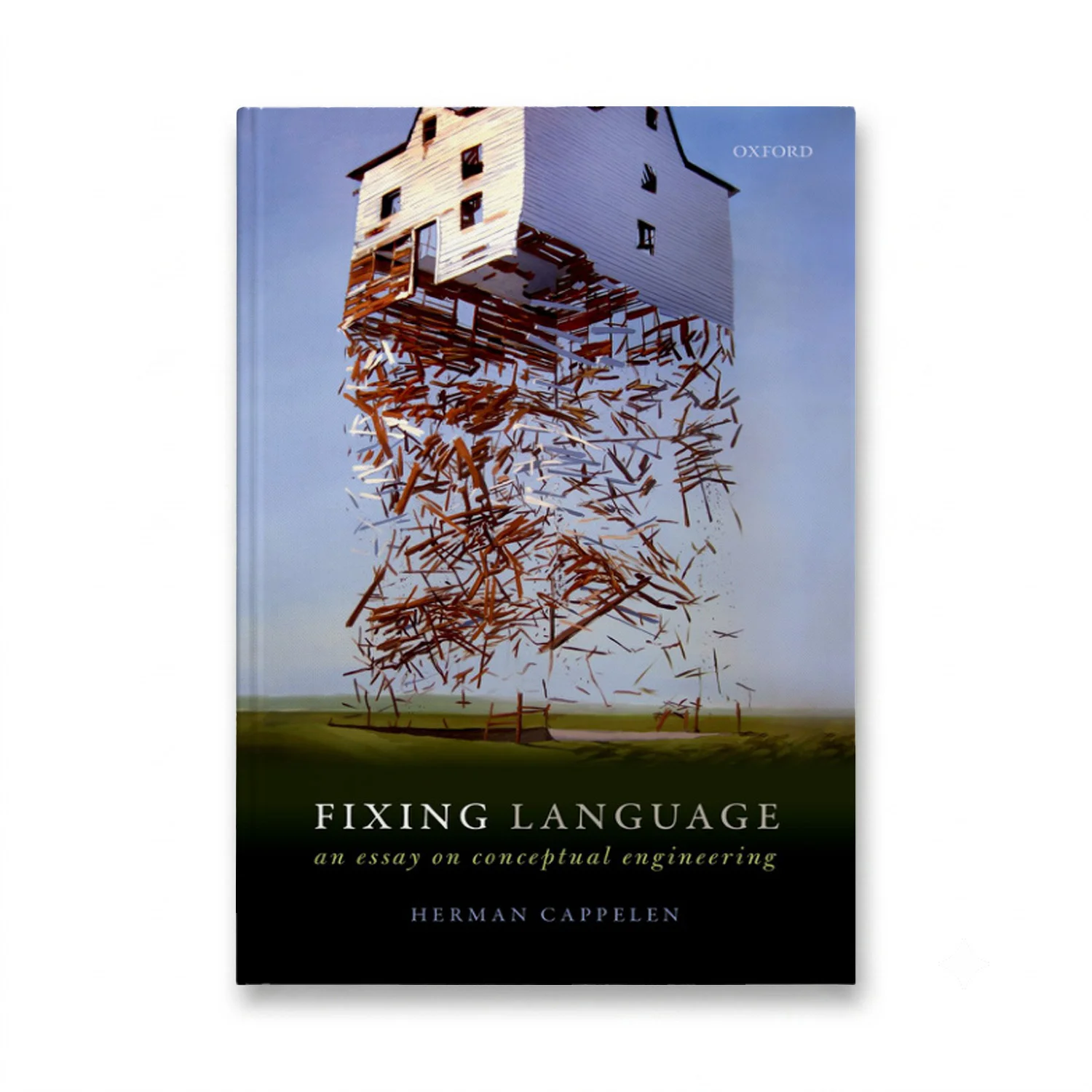

Herman Cappelen delves into the intricate process of improving language and other representational tools in his work, Fixing Language: An Essay on Conceptual Engineering. Drawing from philosophical inquiries across disciplines, he explores how criticism of existing concepts can lead to meaningful enhancements. Through this exploration, Cappelen highlights a tradition in 20th- and 21st-century philosophy that often goes unrecognized but shares common themes and challenges.
The book addresses fundamental questions such as: How does the process of conceptual amelioration function? What are its limits, and how much revision can be considered appropriate? Cappelen also examines the integration of these revisionist projects within broader theories of language and communication. By addressing these issues, he aims to draw attention to a series of intellectual endeavors that span from Frege and Carnap’s foundational work to contemporary revisions in areas like gender studies, truth, moral language, metaphysics, and philosophy of mind. All these fields share the belief that revision is both necessary and valuable, yet they also face similar difficulties in defining appropriate methods and constraints.