
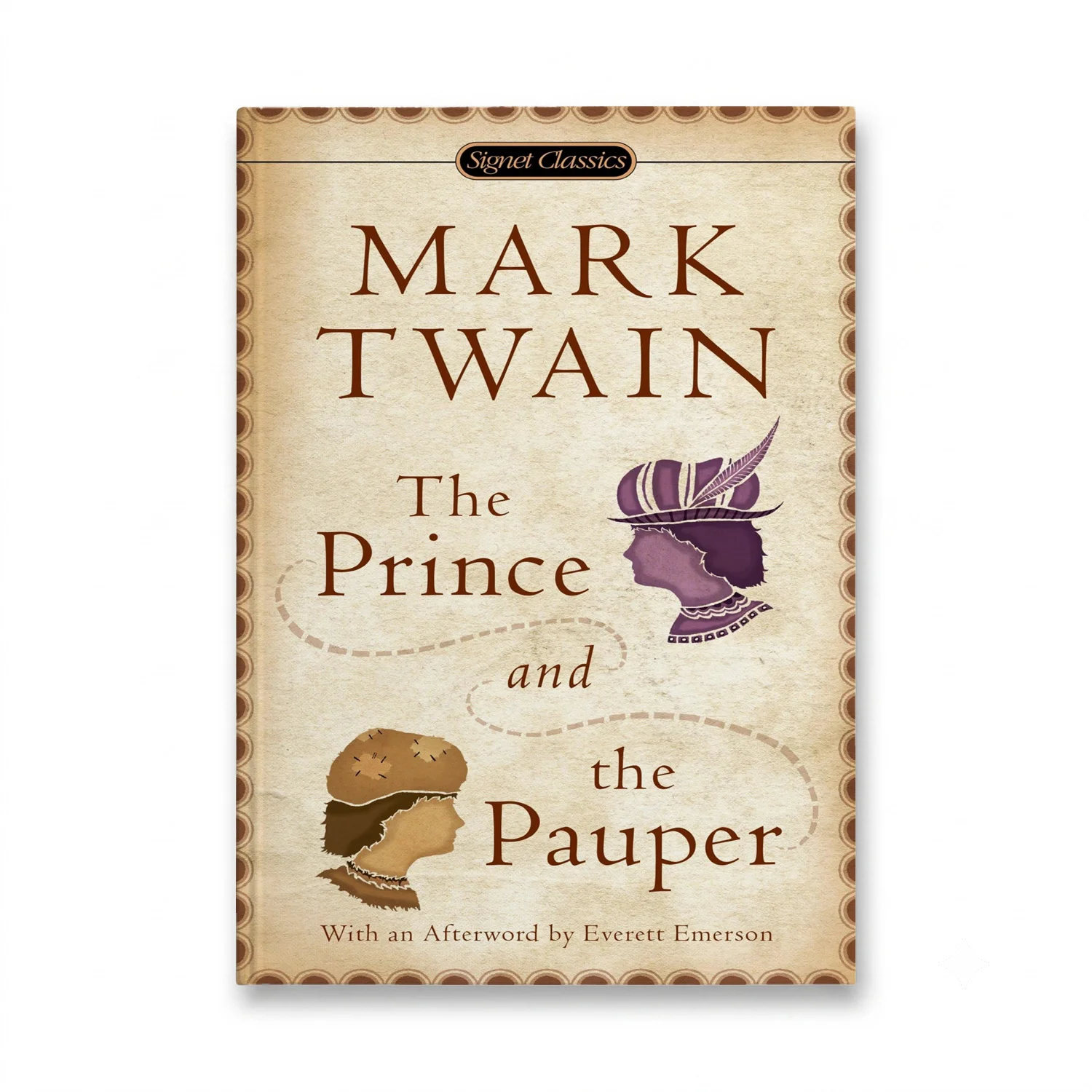

The Prince and the Pauper (Signet Classics) is a classic satiric comedy by Mark Twain, originally published on May 1, 2002. The narrative revolves around two boys who share remarkable similarities but drastically different lives: Tom Canty, a child from London’s slums, and Edward Tudor, the heir to the English throne. A fateful exchange of clothes leads them into each other’s worlds, revealing how superficially distinct their circumstances truly are.
The story unfolds as Tom Canty finds himself ensnared in the lavish but often absurd rituals of royal life at the court, while Edward Tudor embarks on a harrowing journey through the grim realities of London’s underbelly. This exchange of roles not only challenges societal norms and exposes the harsh inequalities of their time but also serves as a platform for Mark Twain to deliver his biting critique of social injustice and hypocrisy.
Underlying this tale of mistaken identity is a playfully irreverent humor that characterizes much of Twain’s best work. The narrative is set against the vivid backdrop of sixteenth-century England, offering readers an engaging exploration of themes such as identity, class, and human nature.
The book includes an Afterword by Everett Emerson, providing valuable insights into the context and significance of Mark Twain’s masterpiece.