
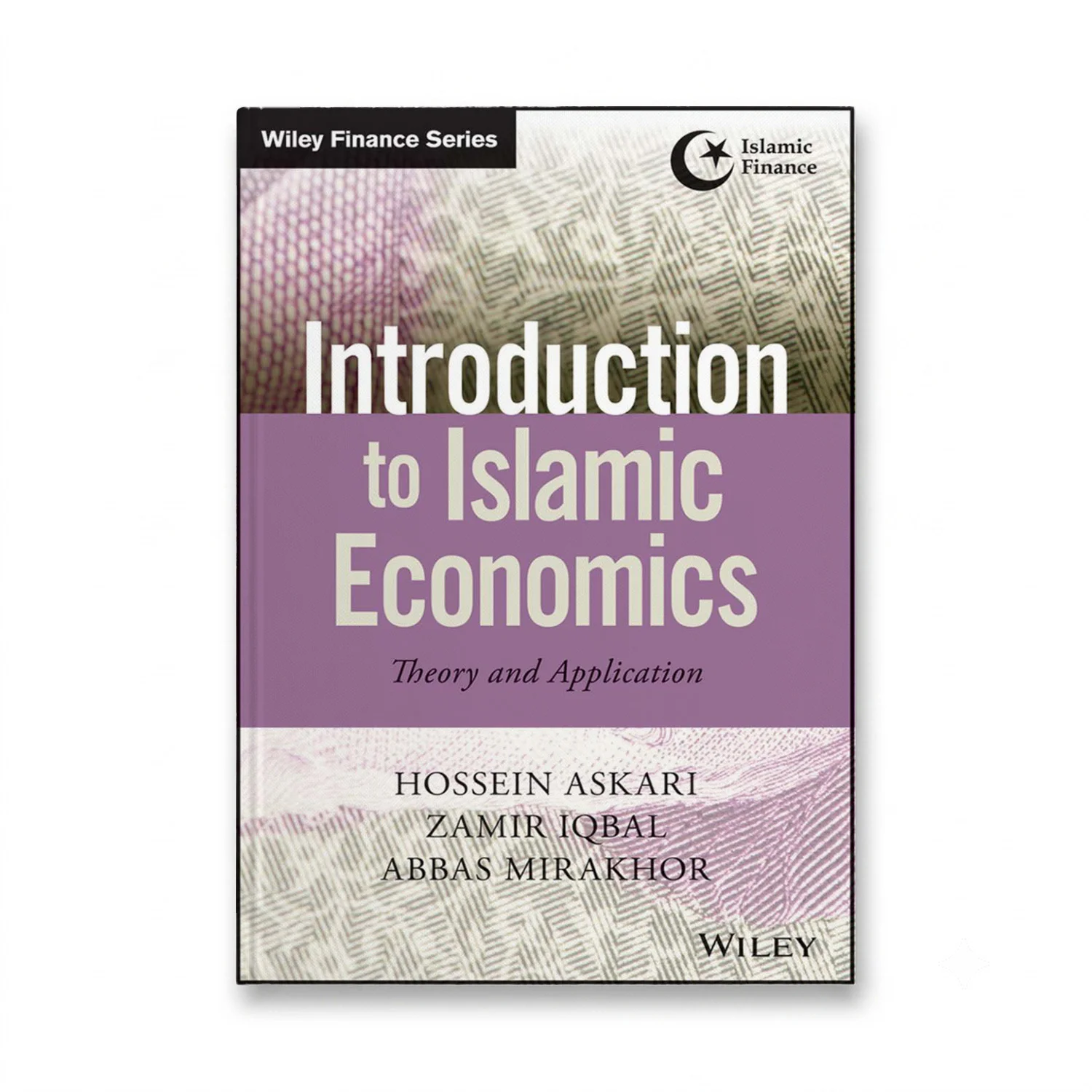

Introduction to Islamic Economics: Theory and Application delves into the principles and theory of Islamic economics, offering a comprehensive overview of the organizing principles and fundamentals of an economy rooted in the foundational teachings of Islam. The book explores key concepts such as social welfare, economic justice, market functionality, efficiency, and equity from an Islamic perspective. It examines the implications for economic policies and highlights the role and instruments of fiscal and monetary policy in Islamic systems through contemporary applications.
Originally published on February 9, 2015, by John Wiley & Sons, this first edition provides a detailed examination of the characteristics, rationale, key institutions, objectives, and instruments at work within an Islamic economic framework. With 256 pages dedicated to explaining these concepts, it serves as a vital resource for students and professionals alike in the field of Islamic economics and finance.
The author, Askari (Author), brings valuable insights into how Islamic finance and Islamic economics interrelate, making this book an essential reference for understanding the economic principles underlying a system based on Islamic teachings. It is particularly relevant as universities around the globe offer courses on Islamic economics and finance, yet most research has focused on financial principles rather than the broader economic principles.