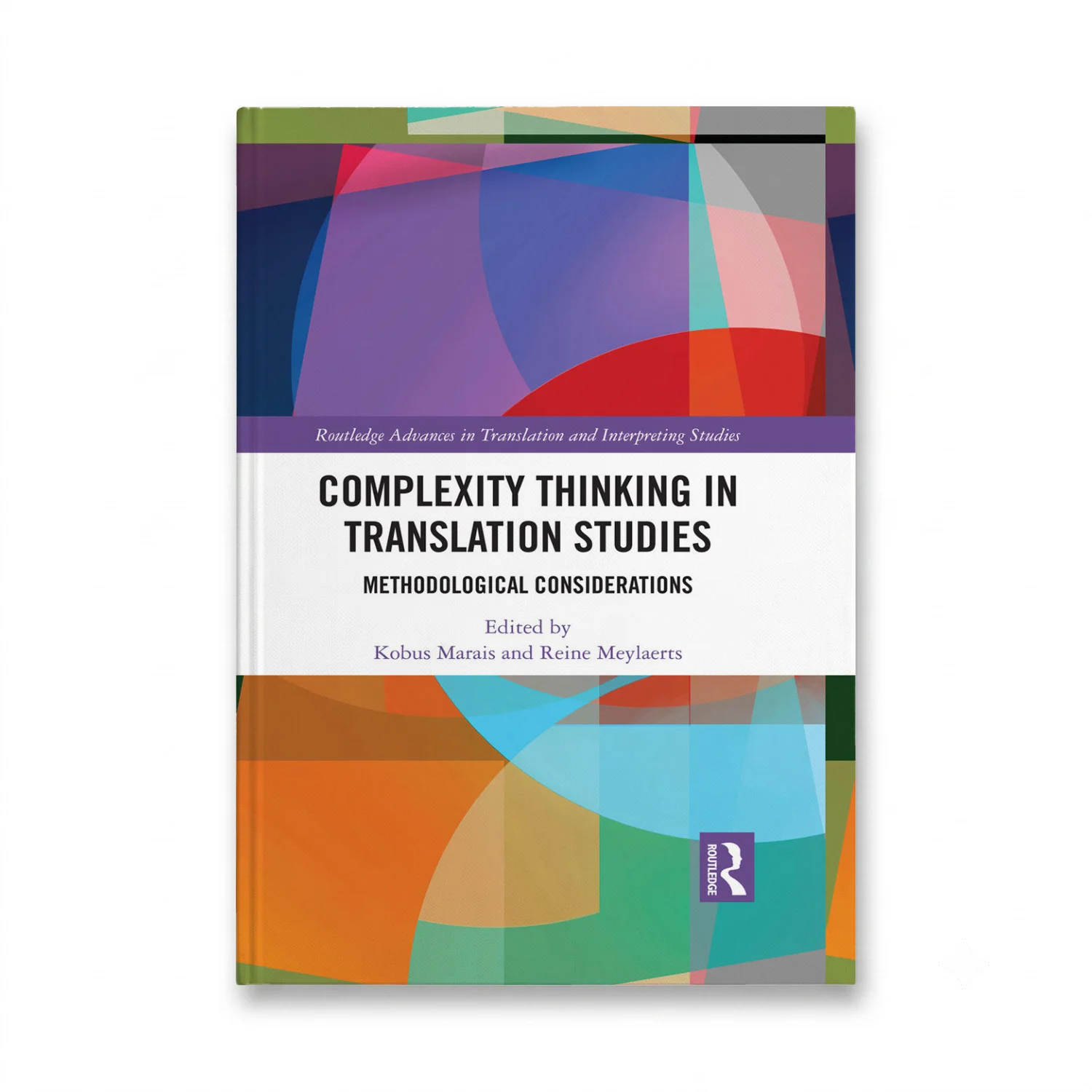
Complexity Thinking in Translation Studies: Methodological Considerations explores various applications of complexity thinking within the field. The book opens with an introduction to the history and conceptualization of complexity theory before delving into its relevance for translation studies from multiple perspectives. Chapters cover topics such as the interaction between translation and society, insights from interpreting studies, and practical examples in Bible translation. Through detailed case studies, readers gain a comprehensive understanding of how complexity thinking can enhance research methodologies in qualitative humanities disciplines. Essential reading for advanced students and academics interested in integrating innovative approaches into their work in translation studies, cultural studies, semiotics, and development studies.

Get it before class starts
Semester is close – start reading tonight.
Right edition guaranteed
Wrong edition or ISBN? Free swap.
Help any day, any hour
File will not open? We fix it or refund you.
Buy once, keep it
No subscription, no app, no expiry date.
