
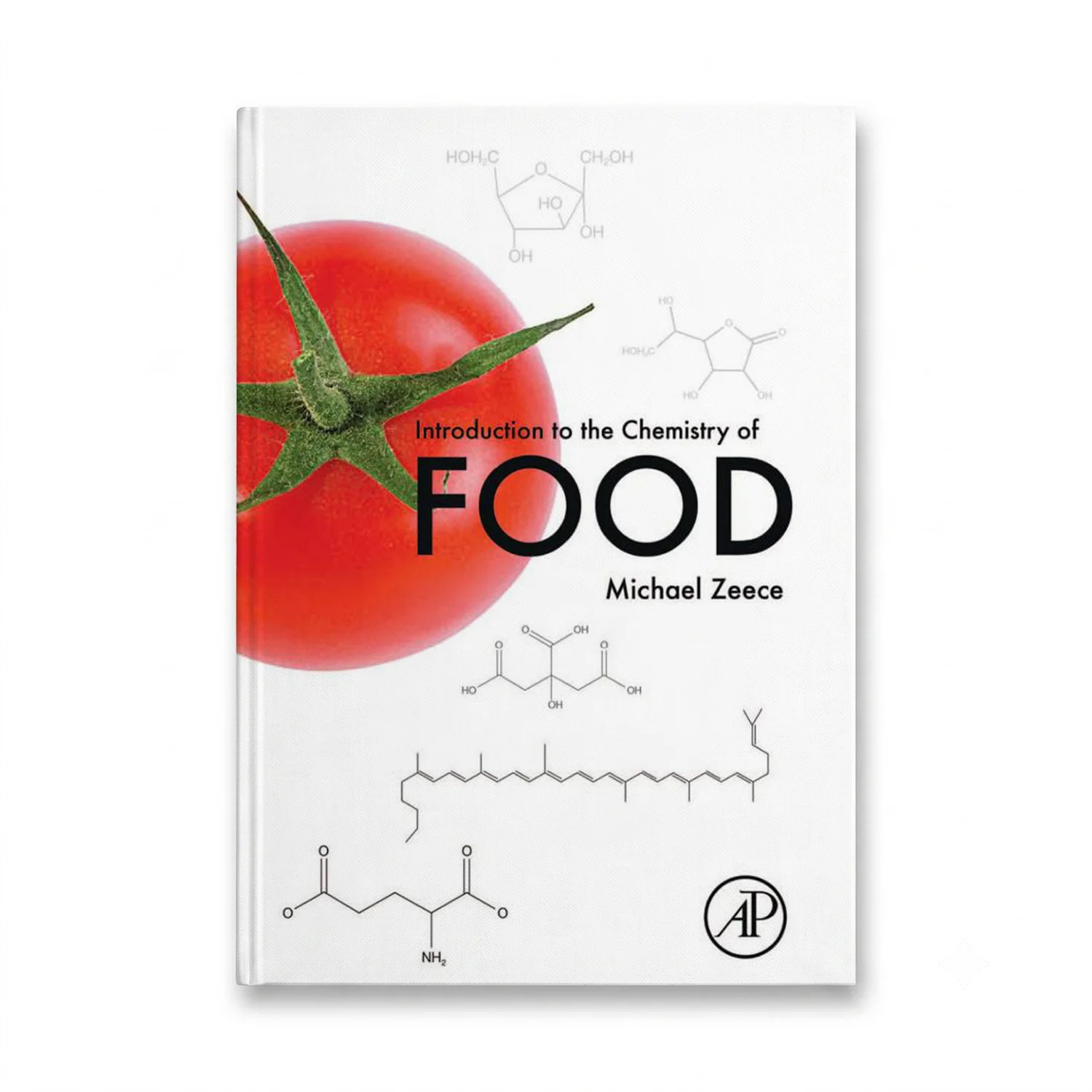

Introduction to the Chemistry of Food by Michael Zeece offers a comprehensive exploration into the molecular composition of food, delving into both major and minor components. The book elucidates the functional properties contributed by proteins, carbohydrates, and lipids, providing students with a foundational understanding of chemical and biochemical reactions that significantly impact food quality and contribute to overall wellness.
Each chapter is designed to enhance comprehension through background information on food composition, practical demonstrations of how chemistry affects various qualities such as color, flavor, and nutritional value, and highlights the role of chemistry in developing innovative foods. The inclusion of review sections with suggested learning activities ensures that students can actively engage with the material across traditional classroom settings or self-paced distance learning environments.
The text also delves into the intricate relationship between food components and the gut microbiome, exploring how different elements influence microbial populations. Furthermore, it reviews major food systems and discusses emerging sources of food protein, making it a valuable resource for students in fields such as food science, nutrition, and culinology.
With its innovative approach and practical insights, this book is essential reading for anyone looking to gain a deeper understanding of the chemical underpinnings that shape our food and its impact on health.
Key Topics:
- The major and minor components of food
- The functional properties contributed by proteins, carbohydrates, and lipids
- Chemical and enzymatic reactions affecting food attributes (color, flavor, nutritional quality)
- The gut microbiome and the influence of food components on microbial populations
- A review of major food systems and novel sources of food protein